
Clean, natural, vegan, cruelty-free: these words are all over perfume bottles, but they do not mean the same thing. In short: vegan means no animal ingredients, cruelty-free means no animal testing, natural means the ingredients come from plants or minerals rather than a lab, and clean or non-toxic usually just means the brand chose to leave out a list of ingredients it considers questionable. Only two of those labels, vegan and cruelty-free, have a clear and testable meaning. This guide explains each one in plain language so you can shop with confidence.
The quick answer
Here is the 30-second version. Keep this handy the next time a label tries to impress you.
- Vegan: contains no animal-derived ingredients. Testable and specific.
- Cruelty-free: not tested on animals at any stage. Specific, though not legally defined in the United States.
- Natural: ingredients come from plants, flowers, or minerals rather than a laboratory. Sounds clean, but it is loosely used and not always safer.
- Clean or non-toxic: the brand left out a self-chosen list of ingredients. There is no official standard, so the meaning changes from brand to brand.
What “vegan” perfume actually means
A vegan perfume contains no animal-derived ingredients. Traditional fragrance has used animal materials for centuries, including musk from deer, ambergris from whales, civet from wild cats, and castoreum from beavers. A vegan formula replaces all of these with plant-based or lab-made alternatives that smell just as rich.
This is the clearest label of the four, because it points to something you can actually check: the ingredient list. If a brand says a scent is vegan, it is making a specific claim about what is inside the bottle. Every scent in the Olivia Rose Luxury vegan perfume collection is made this way.
What “cruelty-free” means, and why it is not the same as vegan
People mix these two up constantly, but they answer different questions. Cruelty-free is about testing: the product was not tested on animals. Vegan is about ingredients: the product contains no animal materials. A perfume can be one without the other.
For example, a scent could be cruelty-free (never tested on animals) but still contain real musk, which would make it not vegan. A truly ethical fragrance is both. One quick note: in the United States there is no single legal definition of “cruelty-free,” so look for a clear statement from the brand rather than just a bunny logo.
What “natural” perfume means, and its limits
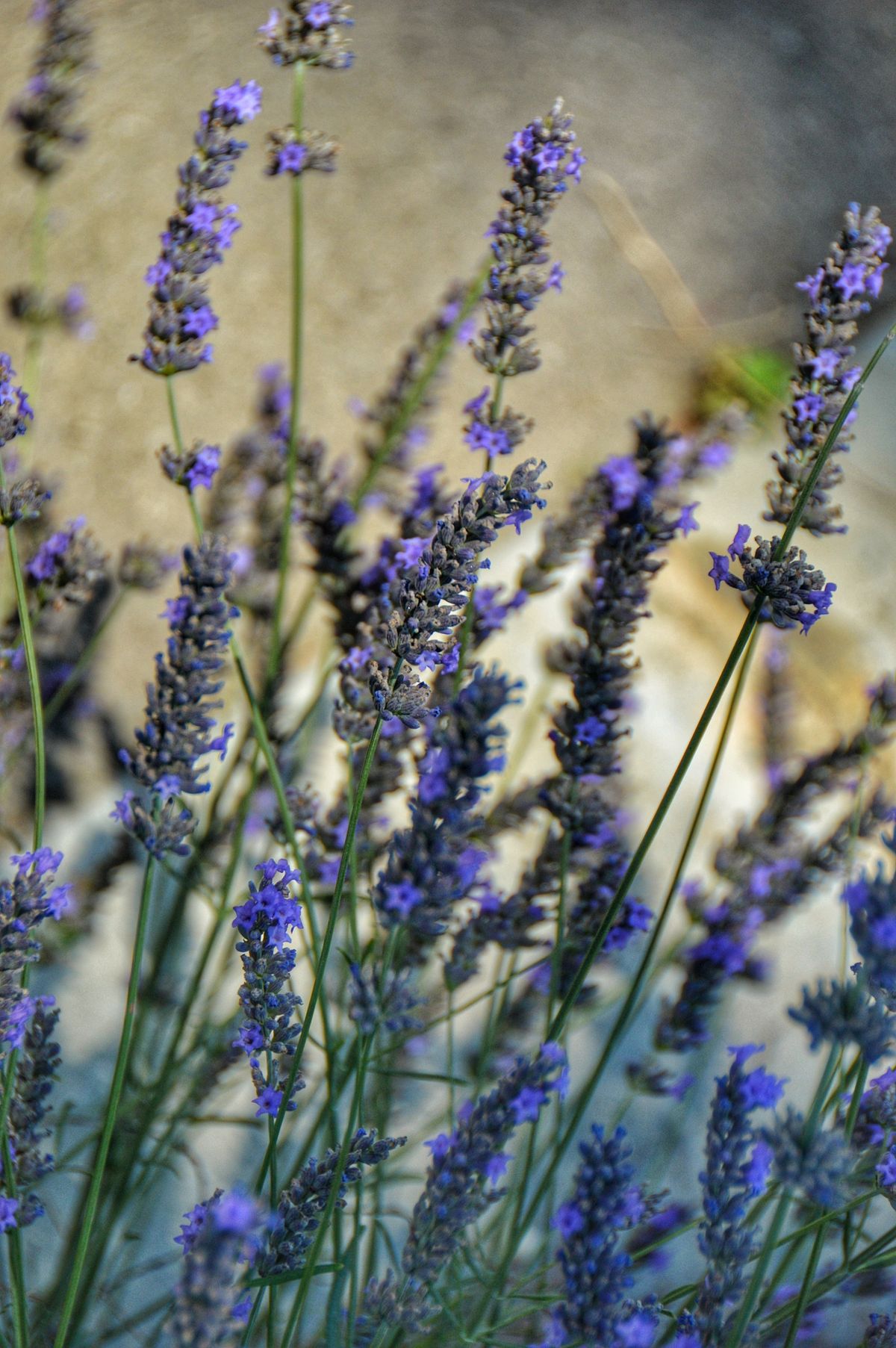
A natural perfume is built mostly from ingredients that come from nature, such as flowers, fruits, woods, and resins, often in the form of essential oils. An essential oil is the concentrated aromatic oil pressed or distilled from a plant.
Natural sounds like the safest choice, but there are two things to know. First, “natural” is a loosely used marketing word with no strict rulebook, so brands stretch it. Second, natural does not automatically mean gentle. Some plant ingredients are common allergens, and pure botanical scents often fade faster than a well-built modern formula. Natural can be wonderful, but the word alone is not proof of quality or safety.
What “clean” and “non-toxic” really mean
These are the trickiest labels, because they have no official standard at all. Clean usually means the brand chose to leave out a list of ingredients it considers questionable, often things like phthalates (chemicals sometimes used to make scent last longer) or certain synthetic musks. Non-toxic is a marketing phrase, not a scientific one, since almost any ingredient can be harmful at a high enough dose and safe at a low one.
The problem is that every brand writes its own “free-from” list, so one company’s “clean” is stricter than another’s. This is where greenwashing happens. Greenwashing is when a product is marketed as more ethical or eco-friendly than it really is. A calming green label and the word “clean” are design choices, not guarantees.
The labels at a glance
| Label | What it promises | Clearly defined? | What to check |
|---|---|---|---|
| Vegan | No animal ingredients | Yes, testable | The ingredient list and a clear brand statement |
| Cruelty-free | No animal testing | Fairly, but not legally set in the US | A direct no-animal-testing statement |
| Natural | Plant or mineral sources | Loosely, no strict rules | Whether key ingredients are actually botanical |
| Clean / non-toxic | Left out certain ingredients | No official standard | The brand’s specific “free-from” list |
How to avoid greenwashing in 5 steps
- Look for specific claims, not vibes. “Vegan and cruelty-free, made without animal musk” beats a vague “clean and green.”
- Read the ingredient list. The real story is inside the bottle, not on the front of it.
- Check who made it. A named perfumer is a sign of craft and accountability. Anonymous formulas often cut corners.
- Watch the color and wording. Earthy tones and leaf icons are design, not proof.
- Ask the brand directly. An honest company will answer plainly. If you cannot get a straight answer, that is your answer.
So which label should you choose?
If your goal is ethics, look for vegan and cruelty-free together, because those two words make specific promises you can verify. Treat “natural,” “clean,” and “non-toxic” as starting points that still need a quick ingredient check. And whatever the label says, a scent still has to smell beautiful and last on your skin. For help matching a scent to your taste and lifestyle, see our guide on how to choose a vegan perfume.
Where Olivia Rose Luxury fits
Olivia Rose Luxury is vegan and cruelty-free, with no animal-derived ingredients and no animal testing. Every fragrance is composed by master perfumer Jamila Asha Garrett, whose work draws on the jasmine gardens of India and the oud and amber traditions of Jordan. We name our perfumer on purpose, because craft and accountability are the whole point. You can read the full Olivia Rose Luxury story or start with Lumi Eau de Parfum, our radiant everyday signature. An eau de parfum is a higher-concentration fragrance, which is why it lasts longer than a lighter eau de toilette.
Frequently asked questions
Is vegan perfume the same as cruelty-free perfume?
No. Vegan means the perfume contains no animal-derived ingredients. Cruelty-free means it was not tested on animals. A truly ethical perfume is both, so look for both claims stated clearly.
Is natural perfume better than synthetic perfume?
Not automatically. Natural ingredients can be lovely, but some are common allergens and often fade faster. Well-made synthetic and lab-created ingredients can be safe, long-lasting, and kinder to animals. Quality comes from skilled composition, not from the word “natural.”
Does “clean” perfume mean it is vegan?
No. “Clean” only means the brand left out a self-chosen list of ingredients. A clean perfume can still contain animal-derived materials, so check for a clear vegan statement.
What ingredients make a perfume not vegan?
The classic animal-derived ingredients are musk (from deer), ambergris (from whales), civet (from wild cats), and castoreum (from beavers). Vegan perfumes replace all of these with plant-based or lab-made alternatives.
Is Olivia Rose Luxury vegan and cruelty-free?
Yes. Every Olivia Rose Luxury product is vegan and cruelty-free, with no animal-derived ingredients and no animal testing.
Find a scent you can feel good about
Now that you can read past the labels, explore fragrances that are genuinely vegan, cruelty-free, and made by a master perfumer. Explore the luxury vegan perfume collection or shop all products and find your signature.