
Perfume is made of three main things: a base of alcohol and a little water, the aroma ingredients that give it its smell, and small amounts of fixatives that help it last. Those aroma ingredients can come from plants, from a lab, or, traditionally, from animals. Here is what is really in a bottle of perfume, which ingredients come from animals, and how vegan perfume gets the same richness without them.
What is perfume actually made of?
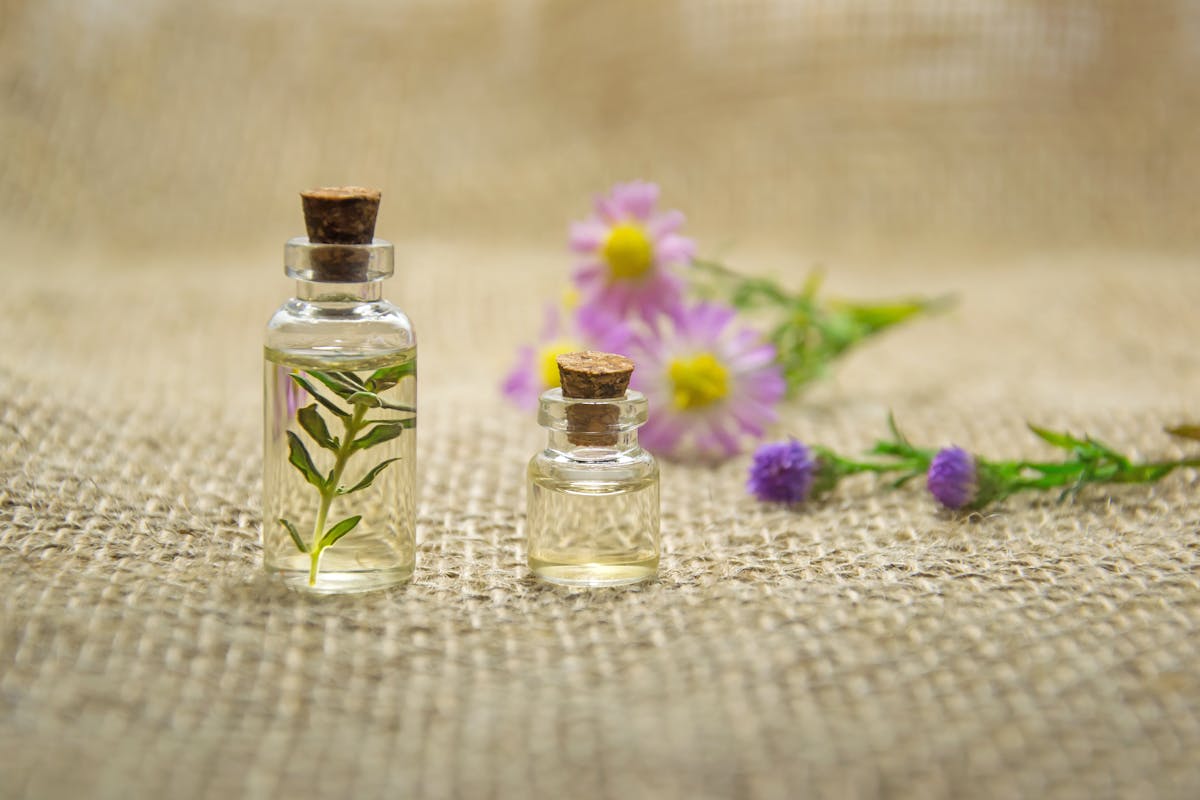
Most perfumes are built from three parts. First, a base of alcohol and sometimes a little water, which carries the scent and helps it lift off your skin. Second, aroma ingredients, the materials that create the smell. Third, small amounts of fixatives, ingredients that slow evaporation so the scent lasts longer.
The aroma ingredients come in two forms. Essential oils are concentrated oils pressed or distilled from plants like rose, jasmine, or citrus. Aroma molecules are single scent ingredients, taken from nature or made safely in a lab. A perfumer blends these into top, heart, and base notes, the layers you smell as a fragrance opens and settles.
The animal ingredients traditionally used in perfume
For centuries, some of the most prized fragrance materials came from animals. Four are famous:
- Musk comes from a gland of the male musk deer. It smells warm, sweet, and skin-like.
- Ambergris is a waxy substance from the digestive system of sperm whales. It adds a salty, marine warmth.
- Civet is a paste from glands of the civet, a small cat-like animal. In tiny amounts it adds depth.
- Castoreum comes from the scent glands of beavers and gives a leathery, warm note.
Gathering these historically meant harming or confining animals, which is why many shoppers now avoid them.
Are animal ingredients still used today?
Mostly, no. If you buy a fragrance from a major house today, it almost certainly uses synthetic versions, which are lab-made copies that smell like the original without any animal. This is far better for animals. But there is a catch: “mostly synthetic” is not the same as “guaranteed vegan.” Some niche and artisan perfumes still use real animal materials, and brands do not always say. That is why a clear vegan label still matters.
The vegan swaps: same richness, no animals
Everything animal ingredients once did, plant and lab-made materials now do beautifully. Warm, skin-like musk is recreated with plant musks and clean synthetic musks. Ambergris is replaced by materials like Ambroxan, a lab-made molecule with the same salty warmth. Civet and castoreum are swapped for plant resins and safe aroma molecules. The result is depth and longevity with none of the ethical cost. To understand the labels, our guide on clean vs natural vs vegan perfume breaks them down.
How to tell if your perfume is vegan
Look for a clear statement that the perfume contains no animal-derived ingredients and is not tested on animals. If a brand only says “natural” or “clean,” ask directly. For a step-by-step approach, see how to choose a vegan perfume.
How Olivia Rose Luxury makes perfume
Every Olivia Rose Luxury fragrance is vegan and cruelty-free, built from plant-forward and clean lab-made ingredients, never animal musk or shortcuts. Each scent is composed by master perfumer Jamila Asha Garrett, whose work draws on the jasmine gardens of India and the oud and amber traditions of Jordan. Read the full ORL story or explore the luxury vegan perfume collection.
Frequently asked questions
What is perfume mostly made of?
Mostly alcohol and a little water as a base, plus aroma ingredients (essential oils and single aroma molecules) and small amounts of fixatives that help the scent last.
What animal ingredients are used in perfume?
The classic four are musk (deer), ambergris (whales), civet (civet cats), and castoreum (beavers). Vegan perfumes replace all of them with plant or lab-made alternatives.
Is most modern perfume vegan?
Most large brands now use synthetic versions of animal notes, but that is not a guarantee. Only a clear vegan and cruelty-free statement confirms there are no animal ingredients.
Do synthetic ingredients make perfume lower quality?
No. Well-made synthetic and lab-created ingredients are safe, consistent, and often longer lasting. Quality comes from the skill of the perfumer, not from whether an ingredient is natural.
Smell the craft, skip the compromise
You do not have to choose between a rich fragrance and your values. Explore the vegan perfume collection or shop all products and find a scent made without animals.